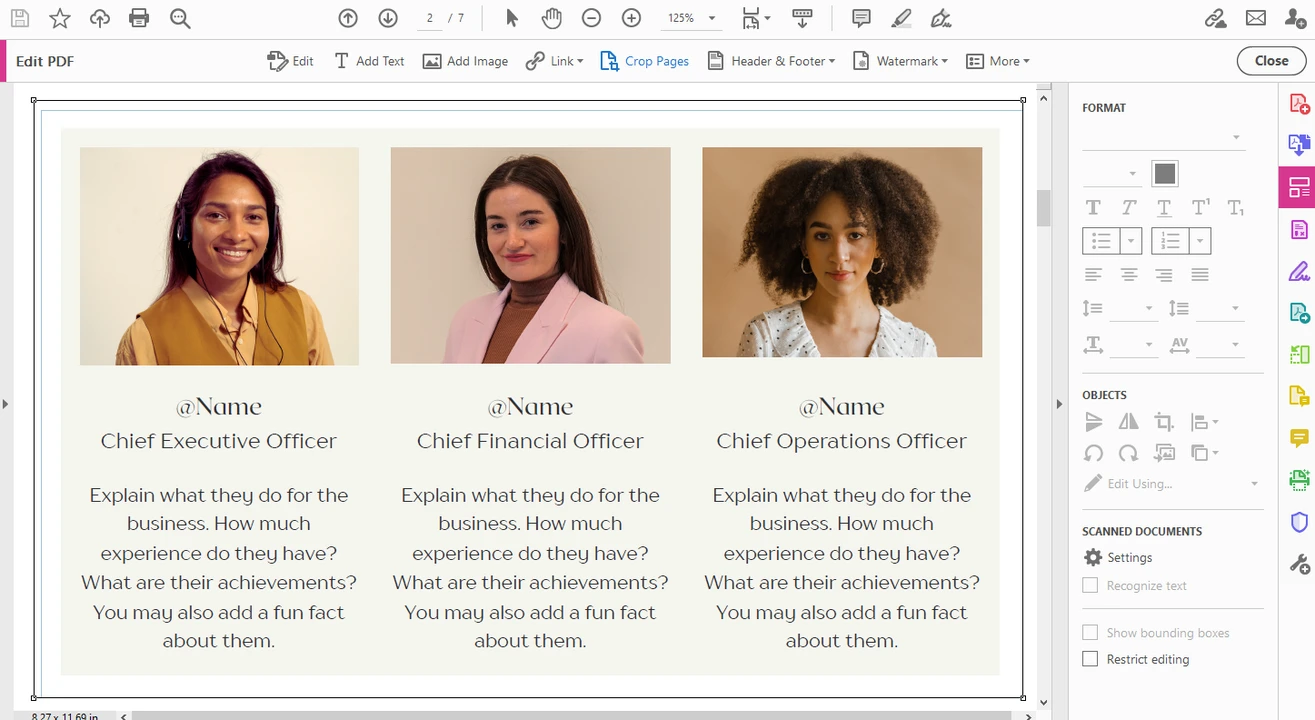
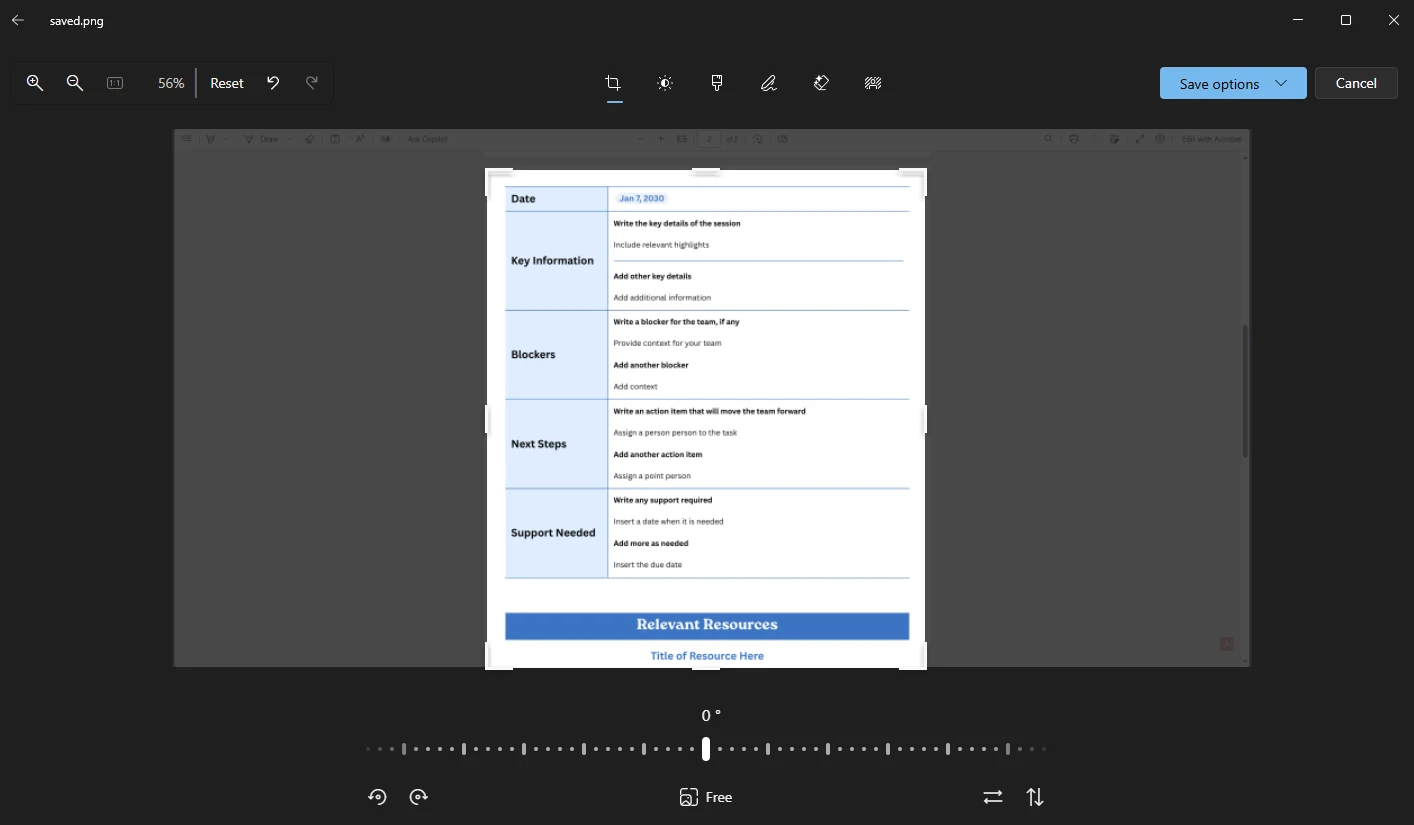
PDF is one of the most popular formats for sharing and storing digital documents. So, there’s a high chance that at some point you might receive a PDF that has large white borders, distracting headers, or margins containing confidential information. In some cases, you might also need to send a specific part of a page instead of an entire document. How can you go about these issues? The answer is simple – cropping. Cropping a PDF refers to trimming away the unwanted edges of a page so that only the most important content is visible. Do you have little to no experience with editing PDFs? Don’t worry, it’s pretty uncomplicated.
PDF is a widely used file format for sharing and storing documents due to the fact that it can maintain consistency in a layout across various devices. But PDFs don’t always look the way you need them to. Scanned files may have dark edges, presentation slides might export with distracting white borders, and multi-page documents can contain pages of different sizes. It’s not the end of the world, but it’s not very professional, either. And you want your digital documents to look clean and polished, right?
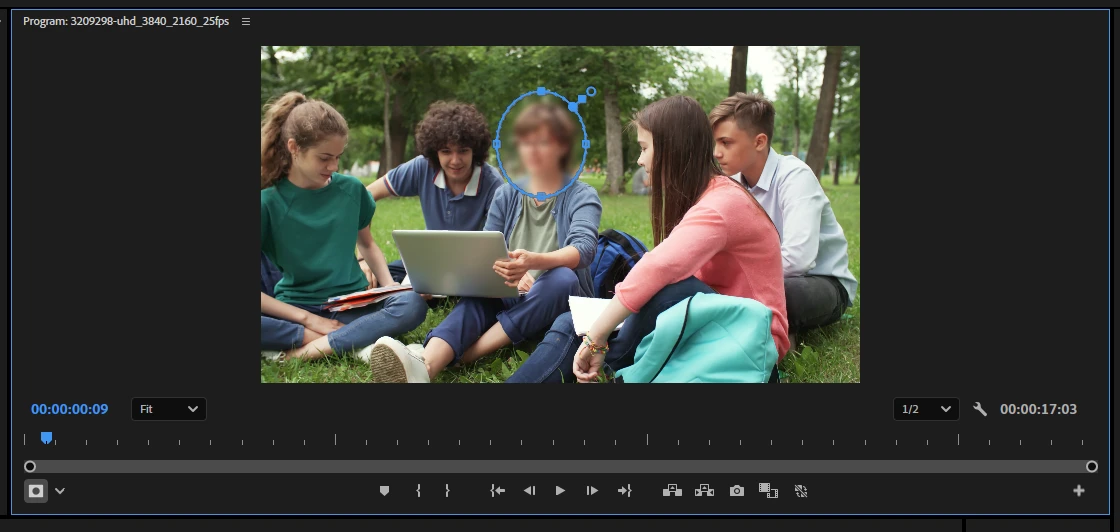
Say, you’ve filmed a great clip. Everything looks perfect… until you notice that in the background, there’s a person who didn’t give permission to appear on camera. Naturally, this is something you need to hide if you want to be ethically correct and avoid legal risks. If the person is close to the edge of the frame, you can try to crop them out. But what if they are in the middle or constantly moving? Or maybe you just want to keep the composition intact? Then you have no other choice but to blur the person’s face in the video. It might seem like a complicated task. But it’s actually not.
We live in a world where you can feed a simple text prompt to a generator like Midjourney, DALL‑E, Stable Diffusion, or Adobe Firefly, and it’ll conjure up a rather realistic-looking image of a place, an event, and people that never existed. In fact, AI models are being constantly improved, and as a result, it’s getting more and more difficult to distinguish real from fake.
PNG is one of the most widely used image formats for digital graphics, screenshots, logos, and other visuals that need sharp detail or transparent backgrounds. It remains popular because it combines lossless compression, broad compatibility, and transparency support. In practical terms, PNG is a strong choice when image clarity matters and you do not want repeated edits to damage visual quality.
 Lina Thorne • Updated · Posted in PDF Editing