The beauty of birthday portraits is that they offer a lot of room for experimentation: they can be fun, playful, glamorous, or even cinematic, depending on the client’s age, personality, and preferences. You can go for something simple, like a minimal studio setup with balloons and a small cake. You can also do something more elaborate, like an editorial photoshoot with dramatic lighting, fancy clothes, and props.
For photographers, fall is a chance to effortlessly create some of the most visually stunning images of the year. Nature’s palette is filling with deep reds, earthy browns, glowing oranges and yellows, creating the perfect backdrop for every kind of photoshoot, be it a cozy portrait or a dramatic landscape.
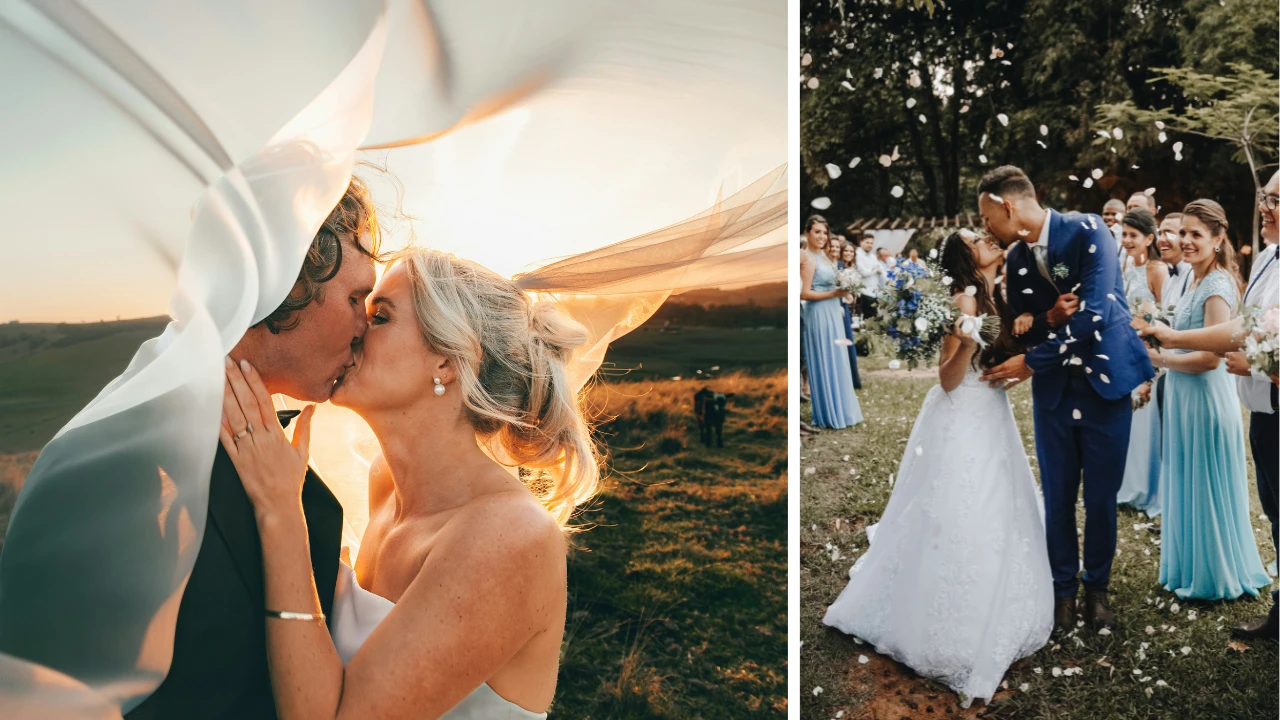
Stepping into the world of wedding photography is both exciting and overwhelming since you’re entrusted with capturing one of the most important days of someone’s life. Couples spend months, sometimes years, planning this milestone and gathering their loved ones together. The pressure is real.
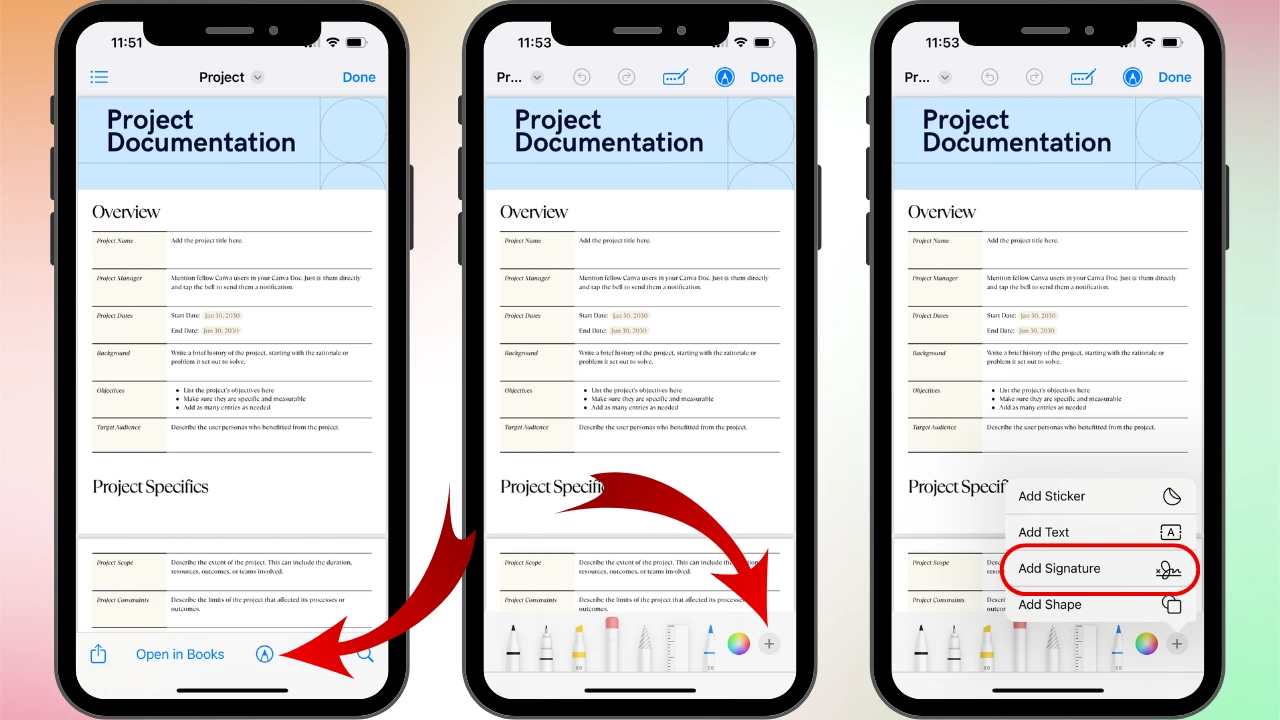
Nowadays, business success largely depends on mobility, the ability to make quick decisions, and efficient document workflows. For this reason, it can be crucial for you to be able to add a signature to a PDF file directly on your smartphone. The days when every document had to be printed, signed by hand, scanned, and then sent to a counterparty are long gone.
PDF is a versatile format that can be conveniently used not only on computers but also on mobile devices. Its main advantage is its ability to preserve original formatting across all platforms. Moreover, if you need a higher level of confidentiality, you can easily make your PDF files more secure by protecting them with a PDF watermark, a password, or both.

 Lina Thorne • Updated · Posted in Photography Tips