
Best Places to Sell Handmade Items Online and Offline in 2026
by  Lina Thorne • Updated · Posted in Marketing
Transforming your hobby into a source of income is a challenging yet entirely achievable goal. Your first critical step is finding where to sell your creations. It’ll affect how many people see your products, the pricing you can set, and your workload. Nowadays, there are plenty of selling platforms, each with its own strengths, weaknesses, and nuances. And if you choose the wrong one, you might end up working hard and getting little in return.
In this comprehensive guide, we’ll cover:
- Important things you’ll need to take into consideration.
- Best places to sell handmade items offline.
- Best places to sell handmade items online.
- How to optimize product photos before publishing them online.
Things to Consider Before You Start Selling
Taking the time to examine these critical aspects of a building a business will save you time, money, and frustration down the road.
Research
Start by researching the market thoroughly:
- Analyze competitors. What are their price points? How do they describe their products? Is there anything special about their product photos? What keywords or hashtags do they use?
- Think about buyers. Who are they? Are they local craft-fair goers, online shoppers looking for unique gifts, or international customers seeking artisan goods?
- Define your unique selling proposition. Why should someone buy from you and not the other seller? Your USP could be your technique (e.g., using ancient Japanese sashiko stitching), your materials (sustainably sourced wood, hypoallergenic metals), your design aesthetic (mid-century modern meets witchy cottagecore), or your story (a third-generation quilter preserving family traditions).
Price
Begin by calculating your material costs and the time you spend creating each item. Pay yourself a fair hourly wage!
This formula can help you determine the price:
(Cost of Materials + Labor + Overheads) x 2 = Wholesale Price
Wholesale Price x 2 = Retail Price
Overheads
This includes everything indirect: electricity for your kiln or sewing machine, website hosting, market stall fee (if offline), marketplace fees (if online), packaging supplies, marketing costs, mileage to the post office, and a portion of your rent/mortgage if you have a dedicated studio space.
Markup
The “x2” (often called the Keystone Markup) is crucial. It ensures that after you cover your hard costs, you are left with a profit that allows you to reinvest in your business, pay taxes, and give you a living wage.
Fees
Every platform has a different fee structure, and these can silently eat into your profits if you’re not careful.
Common fees:
- Listing fees (per item)
- Transaction fees (a percentage of the sale price + shipping)
- Payment processing fees (from services like PayPal or Stripe, typically 2.9% + a fixed fee)
- Advertising fees (like Etsy Offsite Ads)
- Monthly subscription fees (like Shopify’s plan or Etsy Plus).
If you’re selling offline, there are also fees. Stall fees for markets, travel costs, restocking, possibly consignment splits if you sell through boutiques.
Create a spreadsheet, then list out all potential fees for each platform you’re considering. Calculate what you would actually take home from a $50 sale on each platform.
Audience (Local vs Global)
Defining your audience is also important.
- Sell globally if: Your items are lightweight, and easy to ship. But note that you’ll have to deal with international shipping, customs forms, and longer delivery times, which can be tricky.
- Sell locally if: Your products are large, heavy, or fragile. This simplifies shipping (or eliminates it with pick-up options) and helps you build a strong, loyal community base.
A good rule of thumb is to start selling locally. As you get better at running your business, you will be ready to go global.

Legal Requirements
Even a small handmade business must comply with certain regulations.
- Business structure: Will you operate as a Sole Proprietor, or form an LLC (Limited Liability Company) to protect your personal assets?
- Taxes & licenses: In the US, you may need a Sales Tax ID/Vendor’s License to collect and remit sales tax. In the UK, you need to register for VAT once your turnover reaches a certain threshold. Consult a local accountant or small business development center for advice tailored to your situation.
- Product safety. If your products fall into regulated categories (e.g., children’s goods, cosmetics, or food) make sure they meet safety and labeling standards.
Inventory
Your production process is a key business decision.
Made-to-Order (MTO): You create the item after a customer purchases it.
- Pros: No risk of unsold inventory, lower upfront costs, perfect for customizations.
- Cons: Longer processing times can deter impulse buyers, production can become overwhelming during peak sales periods.
Ready-to-Ship (RTS): You create a collection of items and hold them in inventory to ship immediately upon purchase.
- Pros: Faster shipping leads to happier customers and can be a major selling point.
- Cons: Requires a significant investment in materials and time upfront, with the risk that items may not sell.

Shipping
Shipping can be trickier than it seems.
- Packaging: The unboxing experience is a powerful marketing tool. Use branded tape, thank-you notes, and tissue paper to make it special. Invest in sturdy, fit-for-purpose packaging to prevent damage.
- Carriers & costs: Compare rates between USPS, UPS, FedEx, and regional carriers. USPS First Class is great for small packages. Priority Mail includes free boxes and insurance. For heavier items, UPS or FedEx may be cheaper. Consider offering “Free Shipping” by strategically building the average cost into your product prices. Also, transparent shipping policies make customers more likely to trust your store.
Product Photography
When shopping online, customers cannot touch or hold your item. Your photos must do all the talking.
- Use natural, diffused light. Your product needs to be evenly lit.
- Make sure your photos display colors as close to reality as possible to avoid dissatisfaction.
- A simple backdrop (white, light wood, slate) will keep the focus on your product.
- Shoot from multiple angles: front, back, side, top, and close-ups of unique details or textures.
- Consider showing your product in use, too. The necklace on a person, the mug filled with coffee on a cozy table. This helps the customer imagine the item in their own life.
Keep in mind that it would be extremely difficult to sell a product if your photos of it are dark and blurry.
To learn more, check out this guide on how to improve your DIY product photography.

Customer Service
Customer satisfaction determines whether people will buy from you again.
- Answer questions within 24 hours, politely and thoroughly.
- Provide clear return and refund policies, FAQs, processing times, shipping details.
- If something goes wrong, handle it politely and quickly. A well-resolved problem can often create a more loyal customer than one who never had an issue at all.
Remember that happy customers leave positive reviews, recommend you to friends, and often come back for more.
Best Places to Sell Handmade Items Offline
While online sales are convenient, in-person selling offers a unique advantage: direct human connection. Meeting customers face-to-face helps you build trust, and get immediate feedback.
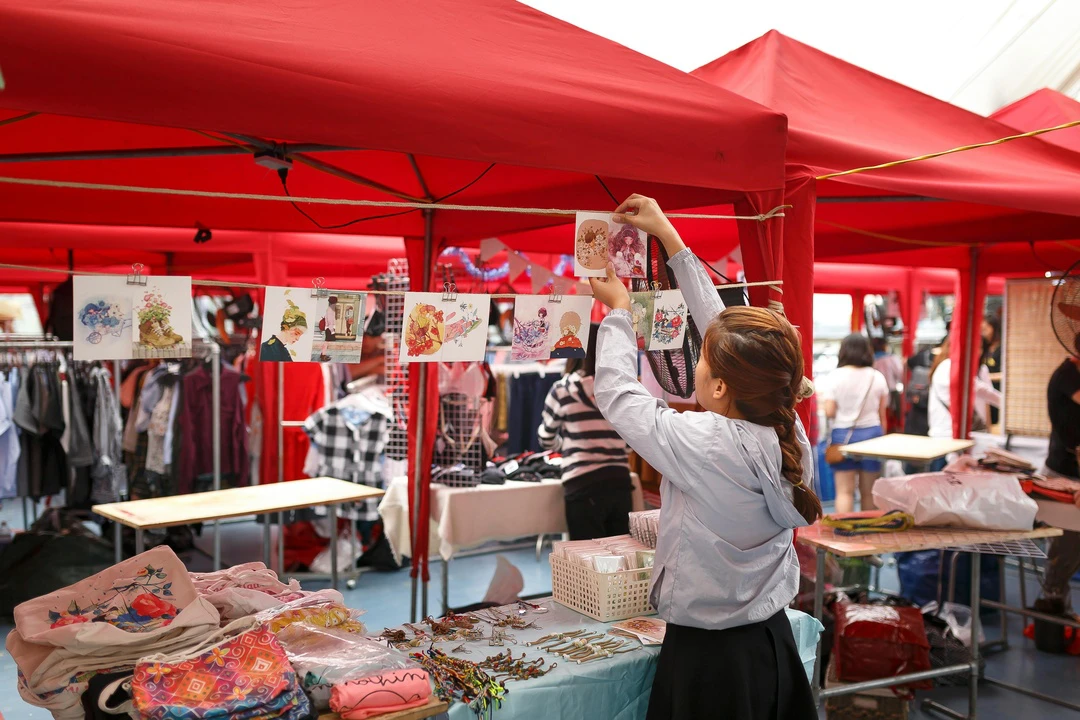
1. Craft Fairs & Artisan Markets
This is ideal for exposure and networking. You can test new products, talk to buyers, and even meet other makers, which can lead to collaborations. Collect email addresses for your newsletter and bring business cards or QR code linking to your online shop or social media.
But there are also cons. Sales can vary greatly from event to event. It’s physically demanding, too. You’ll need to pack, transport, set up the stall, then interact with the buyers and by the end of the event, take everything down.
Local Boutiques & Gift Shops
Consignment is usually a low risk for the shop owner, making them more likely to take a chance on a new artist. It’s an excellent way to get your foot in the door and test which of your products sell well in a retail environment.
Butyou won’t get paid until the item sells. Also, boutiques will take a commission (often 30-50 %) or a wholesale price (you sell to them at a discount and they sell at full price).
Pop-Up Shops & Collaborative Retail Spaces
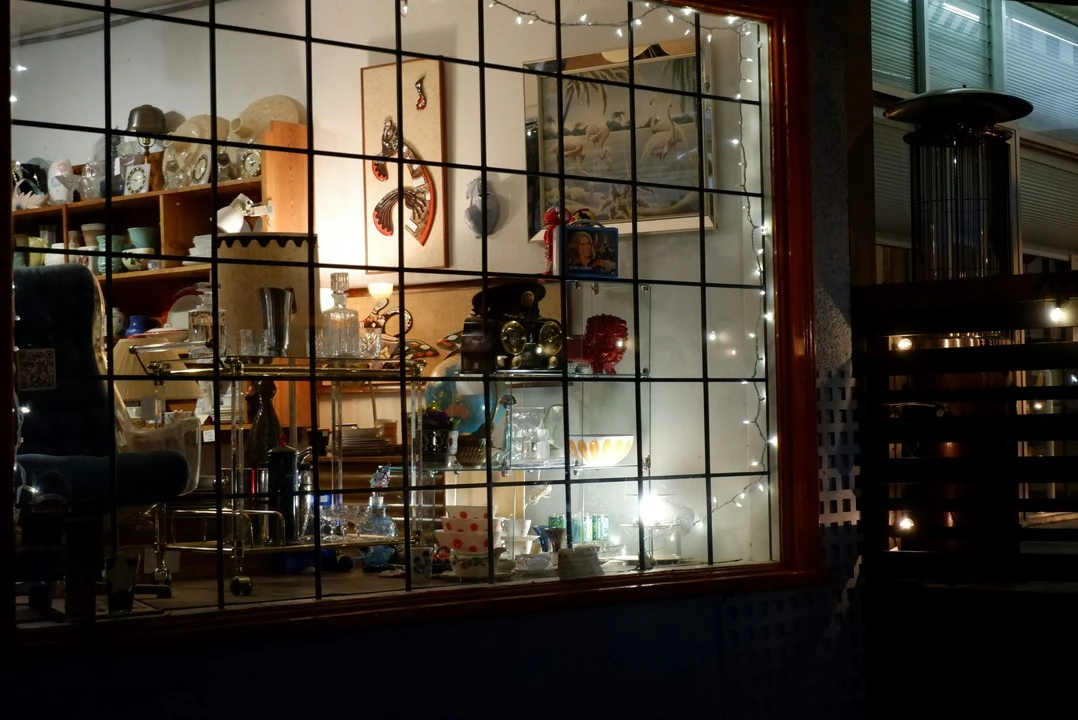
These temporary retail experiences have exploded in popularity for a reason. It creates a sense of urgency and excitement (“here for a limited time!”). It also helps with visibility and brand-building, especially if you want to test a retail environment without a long lease.
But this option requires a significant amount of inventory to fill a space. It may not cover costs if sales are slow. You are responsible for staffing the shop during open hours. Location is everything, and prime locations can be expensive.
Teaching Workshops & Classes
If you can make it, you can probably teach it. This diversifies your income and establishes you as an expert. Attendees often become loyal fans and customers for your finished goods and DIY kits. Builds deep, meaningful connections within your community. And you can try to market your classes or workshops via community centers, craft stores, or cafes.
It does require significant upfront planning for curricula, sourcing materials for students, and securing a venue. You must consider liability insurance. Your income is capped by the number of students per class.
Best Places to Sell Handmade Items Online
Selling handmade goods online offers flexibility and convenience. You can run your business from home, manage your schedule, and reach buyers you’d never meet locally.
1. Online Marketplaces
Marketplace platforms are a great way to start since most of them use algorithms that promote listings to relevant shoppers. Here are some options to consider:
Etsy is extremely popular. Lots of buyers know and trust Etsy. There’s a relatively low barrier to entry, and it’s easy to set up a shop.
But intense competition can make it hard to stand out. Fee structure can feel complex and burdensome. The platform’s constant changes can sometimes frustrate sellers.
You can learn more about selling on Etsy in these two guides:
What to Sell on Etsy to Make Money
Amazon’s customer base is massive. It’s used and trusted by millions. You can use FBA (Fulfilment by Amazon) for logistics, though for handmade unique items this might be tricky. Generally speaking, this option is great if you want to sell lots of handmade items.
However, there’s a strict, application-based approval process. The fee structure can be complex, too.
If you are interested in selling on Amazon, check out our guide: How to Sell on Amazon for Beginners.
Crafty Fox Market is well known for its vibrant handmade fairs held regularly across London. Their website is an excellent resource for anyone searching for unique, creative handmade goods. There’s a small one-time sign-up fee and a monthly charge to maintain membership.
Folksy is one of the UK’s most beloved online marketplaces for handmade products. The platform offers two selling options: a per-item listing fee or a Folksy Plus account that allows unlimited free listings for a small subscription and commission on sales.
A Canadian marketplace with a strong focus on community and supporting artisans. It allows makers to quickly setup a store, and there’s a dedicated team that promotes its sellers. It’s not particularly well-known, so you will need to work harder to drive traffic.
2. Social Media
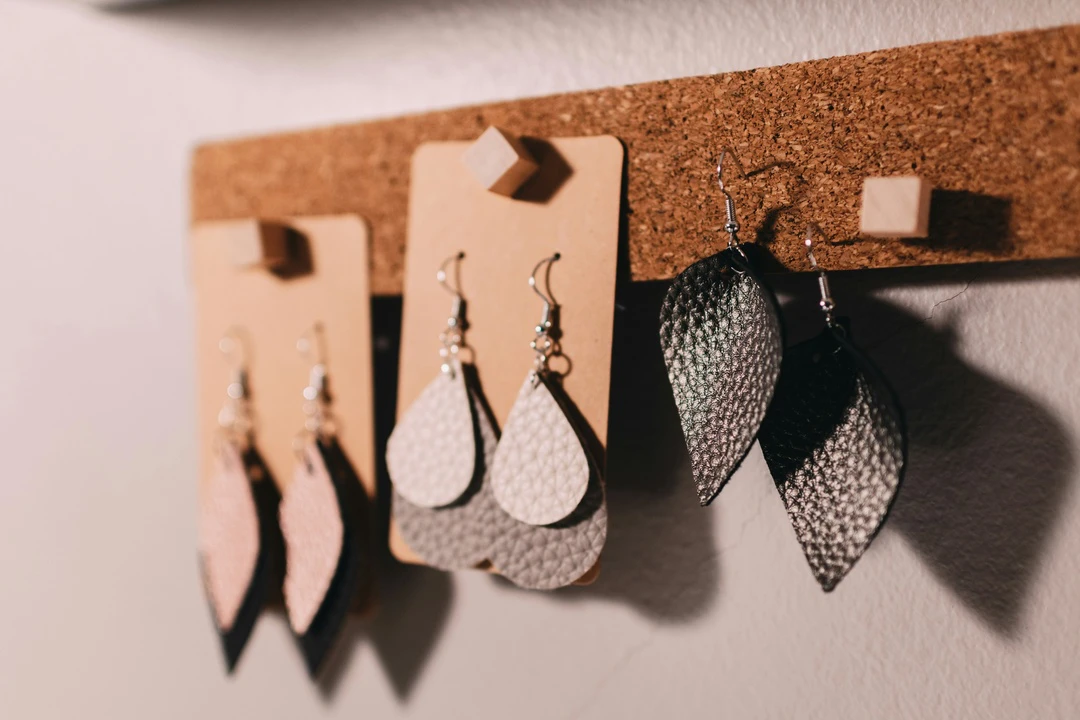
Nowadays, you can sell handmade goods directly on Facebook Marketplace, share listings in local Facebook craft groups, or use Instagram Shopping and TikTok Shop to tag products in your posts and videos. These tools make it possible for users to purchase your products with just a few taps, turning casual scrollers into paying customers. These platforms are all about visuals, so handmade items with good photography do well.
Don’t overlook Pinterest, either. Upload your product images with links to your online store, and they can continue driving traffic to it for months or even years.
Even if you primarily sell through a marketplace or website, maintaining a social media presence helps you grow your audience, increase visibility, and humanize your brand. Share your process, tell your story, and engage with your followers.
3. Your Own Website
Unlike online marketplaces, where you compete with thousands of other sellers, your personal website allows your brand to shine without distractions. It gives you complete control. You can design your store layout, and pricing strategy however you like. And you won’t have to deal with the constant rule changes and seller restrictions that some marketplaces impose.
However, website setup and maintenance can be intimidating at first. And you’ll be responsible for driving 100% of your own traffic through marketing and SEO.
How to Create a Website:
- A web hosting platform like Hostinger makes it simple to get started. It’s affordable, beginner-friendly, and even offers AI tools to help design your website and create product listings.
- Alternatively, you can use Shopify, a popular e-commerce platform known for its sleek, customizable designs and integrated sales tools. Their POS (Point of Sale) system seamlessly integrates online and in-person sales. It’s more expensive than Hostinger, but it’s a great choice if you plan to grow your business.
- Big Cartel is another good option. It offers a simple and intuitive interface. Their free plan (for up to 5 products) is a fantastic, risk-free way to start. But it is not designed for stores with hundreds of products and can feel restrictive as you grow.
Many online sellers tend to use a hybrid approach: start on a marketplace for initial reach, and gradually build their own store for repeat buyers.
Optimize Your Product Photos
Your product photos are your sales tool and a part of your brand’s reputation. But it’s not enough to just photograph them in the right way. It’s also important to prep them before publishing online. This way, your images will look good and load quickly.
- Compress Your Images. Large-sized photos can drastically slow down your website, leading to frustrated visitors who may leave before making a purchase. Use our free image compressor to reduce the file size, and you’ll get sharp images that load in the blink of an eye.
- Resize for the Platform. Every online marketplace and social media platform has its own size requirements. Uploading an incorrectly sized photo can result in awkward cropping or pixelation. You can easily resize your images using Watermarkly’s image resizer. If the aspect ratio needs to change, it’s better to opt for photo cropper.
- Choose the Right File Format. For product photography, the most widely supported format is JPEG. If your images are in a different format (like PNG or TIFF), use our [online converter to JPG}(/convert-to-jpg/).
Protecting Your Work with Watermarks
Once your images are optimized, consider taking an extra step to protect your work and promote your brand: adding a watermark.
While some argue that watermarks can be distracting, a subtle watermark offers significant benefits:
- It can deter others from stealing your photos and using them without permission.
- A watermark with your logo or shop name turns every shared image into a free advertisement.
Luckily, you can use Watermarkly’s watermark app to process batches of images quickly and easily.
A word of caution! Always check the guidelines of the platform you’re using. Some marketplaces have strict rules about watermark placement and design.
Conclusion
Turning your hobby into a business can be both overwhelming and rewarding. But the most important thing is to start. You can try to sell only online or offline at first. Be ready that you won’t get everything right from the get go. Track your results. See where you enjoy spending your time and where your products resonate most. Be prepared to adapt and evolve. The handmade market is dynamic, and so should your business be.