Best Camera for Beginners in 2026
by  Lina Thorne • Updated · Posted in Photography
Choosing your first camera can feel overwhelming. Suddenly, you’re faced with terms like “APS-C,” “IBIS,” “mirrorless vs DSLR,” “shutter count,” “kit lens,” and dozens of model names that look almost identical. And if you spend even five minutes on camera forums, you’ll see people passionately debating technical differences that may or may not matter for a beginner.
But here’s the truth:
As a beginner, you don’t need the perfect camera.
You need a camera that helps you learn the fundamentals and gives you room to grow.
This comprehensive guide will help you find the best digital camera for photography beginners that fits your needs and budget.
What to Keep in Mind
First, remember that any modern camera – and many from the last decade – can help you master photography fundamentals. Canon, Nikon, Sony, Fujifilm – all make excellent cameras that will get most jobs done. So, don’t stress about brands. Focus on finding a tool that feels right in your hands and motivates you to shoot.
Second, the ideal best digital camera for beginners strikes a balance: affordable and intuitive enough not to intimidate, yet capable enough to support your growth. You want a tool that feels welcoming today but won’t limit your creativity tomorrow.

What Will You Use the Camera For?
It’s crucial for you to understand your primary goal. Most beginners think “I want a nice camera for everything!” – and that’s perfectly fine. But your priorities influence which features matter most.
Photography-Focused
If your passion is still images, prioritize cameras with:
- excellent image quality;
- intuitive manual controls;
- comfortable ergonomics;
- good dynamic range (better shadow/highlight recovery);
- reliable autofocus;
- good low-light performance;
- good battery life.
Videography-Focused
If creating YouTube or TikTok content, short films, or vlogs is the goal, you need:
- fast and accurate autofocus in video mode;
- good video resolution;
- microphone input or hot shoe mount (preferably both);
- effective image stabilization (for smooth handheld shots);
- flip-out or tilting screen;
- decent battery life.
Note that recording a video puts more pressure on the camera’s stabilization system and processing power, so not every “photography-oriented” camera will work well for video.
Hybrid
Many beginners want to do both photo and video. Most modern mirrorless cameras fall into this category, offering all or nearly all the key features.
DSLR vs. Mirrorless
DSLR (Digital Single-Lens Reflex) uses a mirror and optical viewfinder. It offers excellent battery life, a vast selection of affordable used lenses, and an optical viewfinder that shows the real world without lagging. Very durable and reliable. And most DSLRs are much cheaper than mirrorless. But they are bulkier, heavier, and older technology. Autofocus is generally inferior.
Mirrorless is the current industry standard. Light passes directly through the lens to the image sensor. The sensor then generates a live digital preview, which is displayed on a small screen inside the electronic viewfinder (EVF) and the rear LCD screen. Mirrorless cameras are more compact and offer a much superior autofocus. Most brands are fully focused on mirrorless today. Unfortunately, in most cases, the battery life is much shorter.
Interchangeable Lens vs. Fixed Lens Cameras
Interchangeable Lens Cameras (ILCs). This includes DSLRs and mirrorless cameras. Their greatest strength is versatility. You can mount a wide-angle lens for landscapes, swap to a telephoto for wildlife, or use a fast prime lens for portraits. It’s definitely a better long-term investment and ideal for anyone who wants to learn photography seriously. But ILCs are often larger and more expensive.
Fixed Lens Cameras. These have a lens permanently attached. Their advantages are size and simplicity. They are typically more compact, easier to carry, and remove the complexity (and cost) of choosing lenses. The best fixed-lens cameras, like high-end compacts, offer exceptional image quality in a small package, making them perfect for travel and street photography. But there’s no flexibility – one lens forever. Fixed-lens cameras are great as second cameras, or for people who want a simple tool that is always with them.
Sensor Size
Sensor size is one of the biggest factors that define how your images will look, how your camera handles light, and how big your files will be.
Here are the three main types:
- Full Frame (35mm). Offers the best low-light performance and dynamic range, shallowest depth of field (background blur), and widest field of view with any given lens. But full-frame cameras are larger, heavier, and more expensive. File sizes are also bigger, requiring more storage.
- APS-C (Crop Sensor). The most popular sensor for beginners and enthusiasts. Strikes an excellent balance between image quality, system size, and cost. Lenses are smaller and more affordable. The “crop factor” (usually 1.5x or 1.6x) makes lenses appear more zoomed-in, which can be an advantage for wildlife or sports.
- Micro Four Thirds (MFT). Smaller than APS-C. The key benefit is extreme compactness. Cameras and lenses are remarkably small and light. It offers great image stabilization and video features. While it has slightly less low-light capability than larger sensors, the difference is often negligible for most beginners.
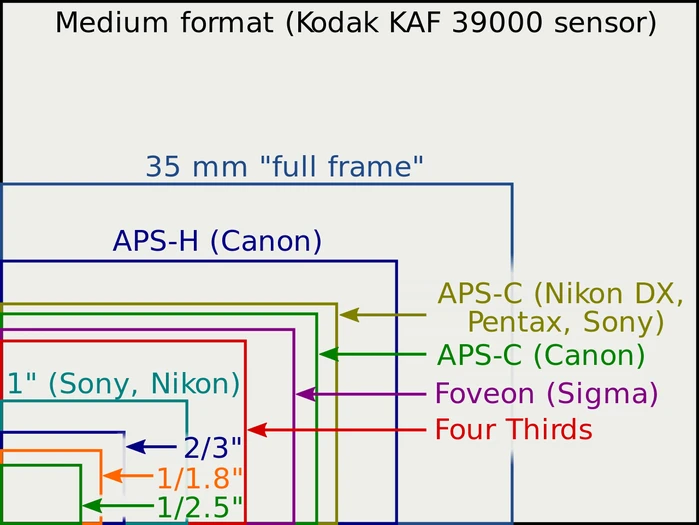
Please note that, as mentioned, larger sensors (especially high-megapixel ones) create larger files. Factor in the cost of memory cards and an external hard drive or cloud storage for your photo library.
Speaking of megapixels. For beginners, anything in the 16-24MP range is more than sufficient for large prints and detailed editing. The differences in this range are subtle and far less important than lens quality.
Stabilization
In-Body Image Stabilization (IBIS) is a game-changing feature where the camera’s sensor physically moves to counteract handshake. This allows you to shoot video handheld and shoot at slower shutter speeds without introducing blur, which is invaluable in low-light situations (like indoors or at dusk).
Also, you’ll often see cameras offer “digital” or “electronic” stabilization (EIS) alongside or instead of IBIS. This is a software-based feature that crops into the sensor’s image to smooth out motion. While effective for video, it reduces your field of view and doesn’t help with still photos. For instance, a 24mm lens might look more like a 28mm or 30mm lens once you enable digital stabilization.
IBIS isn’t a must-have, but it provides a significant safety net for beginners, helping you get sharper shots in challenging conditions.
What’s Your Budget?
You need to determine how much you’re willing to spend, then decide whether you want a brand-new camera or a used one.
Why you should buy new:
- Warranty & Peace of Mind – A brand-new camera comes with a full manufacturer’s warranty (usually 1-2 years). If anything goes wrong due to a defect, you’re covered. This safety net is invaluable for beginners who may not yet know how to diagnose gear issues.
- Latest Technology – You get access to the newest ergonomics and usability improvements, like a much better autofocus, dynamic range, and battery life. For hybrid shooters or those wanting cutting-edge tech, new is often the only option.
- Perfect Condition – It’s yours from the first shutter actuation. There are no scratches, worn-out dials, or sensor dust from a previous owner. You also get a fresh battery and charger.
Why you should buy used:
- Exceptional Value – You can often get a higher-tier camera for the price of a new entry-level model.
- Access to “Proven” Models – Time separates the gems from the duds. Buying a used model means you benefit from years of real-world reviews, known strengths/weaknesses, and established lens systems.
- Lower Entry Cost – If you’re unsure how deep your commitment will be, starting with used gear minimizes your initial investment. If you later decide photography isn’t for you, used gear also tends to hold its resale value remarkably well.
- Building a Better Kit – The money saved on the body can be invested in better lenses, a sturdy tripod, lighting, or other essential accessories, which will have a far greater impact on your image quality than a marginally newer body.
It’s important to note that the best cheap camera for photography beginners often comes from the used market.
But, of course, there are some things you must keep in mind when buying used:
- Shutter Count. Think of it like mileage on a car. Shutter count is how many times the shutter has been actuated. DSLRS and many mirrorless cameras rely on mechanical shutters, which eventually wear out. Many cameras have a rated shutter life (e.g., 150,000 actuations). So, the lower the shutter count, the better.
- Number of Owners. A single-owner camera from an enthusiast who cared for their gear is often a safer bet than a camera that has passed through multiple hands.
- Condition. Check for scratches, dents, functionality of buttons and dials, autofocus performance, ports (HDMI, USB, mic input), and hot shoe contacts. Beginners often forget this, but ports and hot shoe contacts matter if you plan to shoot video or use flashes.
- Buy from Reputable Sources. Avoid risky platforms like eBay or Craigslist for your first purchase. Buy from reputable camera stores only – KEH, MPB, Adorama, or B&H Used. These stores typically test the gear, have fair ratings, as well as offer short-term warranties and clear return policies.
Matching Camera to Genre
Note that some photography genres have some specific gear needs:
- Travel/Street: Compact size, lightweight body, and discreetness are key.
- Landscape: High resolution and good dynamic range.
- Sports/Wildlife: Very fast autofocus and high continuous shooting speed.
- Video/Vlogging: Flip-out screen, excellent autofocus. IBIS is a must.
Lenses Are More Important Than the Camera Body
The most common rookie mistake is spending your entire budget on a camera body.
Your camera is only as good as the lens you put on it. They have a great impact on the image quality and your creative options.
Also, lenses are a long-term investment. Camera bodies are technology. They depreciate quickly and become “obsolete” as new models with new features are released every few years. Lenses are optics. The fundamental physics of glass and light doesn’t change. A superb lens designed 10 years ago is still a superb lens today, and it will likely be superb in another 10 years.
So, it’s better to choose a slightly simpler camera and spend the saved money on good lenses.
Here are some tips for beginners:
- Skip the Kit Lens. While convenient, the standard “kit” zoom lens (e.g., 18-55mm) is built to a price point. Its optical limitations (softness, distortion, poor low-light performance) will definitely hold you back.
- Start with a Prime Lens. You will unlock more potential by starting with a fast prime lens, like the famous nifty fifty – a 50mm f/1.8. Prime lenses are sharper, faster (wider aperture for low light and background blur), and force you to move and think about composition. They are often affordable, especially used.
- Choose the Right Mount. The Sony E-mount now has one of the largest and most diverse lens ecosystems on the planet. Nikon’s Z-mount allows you to use Sony’s lenses through an adapter, but it won’t work the other way around. Canon’s RF-mount has the smallest lens lineup at the moment and is closed to most third-party manufacturers. So, if you’re choosing an R-series camera, be ready for higher lens prices or adapt older EF lenses via an adapter.
Top Camera Picks for Beginners
Now that we’ve covered the basics, here are excellent starting points across different categories and budgets.
Cheap Cameras for Beginners:
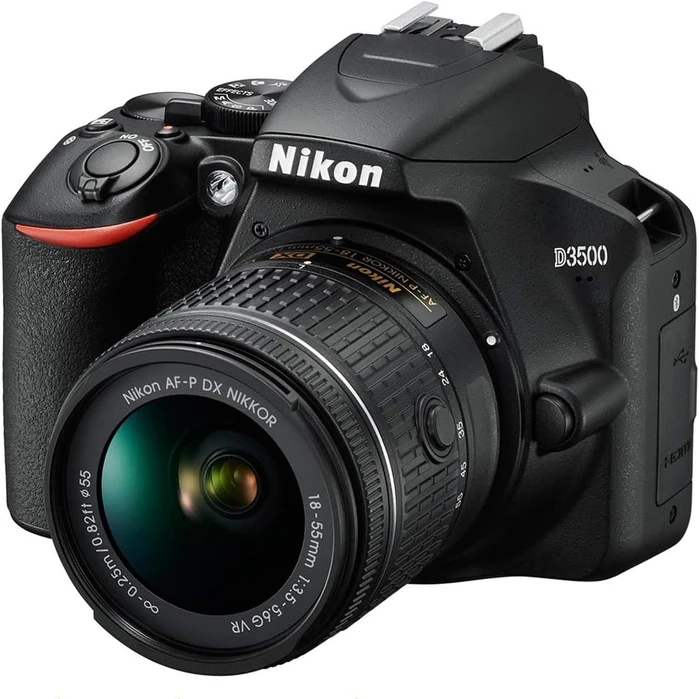
- Nikon D3500 (DSLR) – This is probably the best cheap camera for photography beginners. Produces sharp, detailed images with good dynamic range and is very straightforward to use. The F-mount has a vast ocean of affordable used lenses.
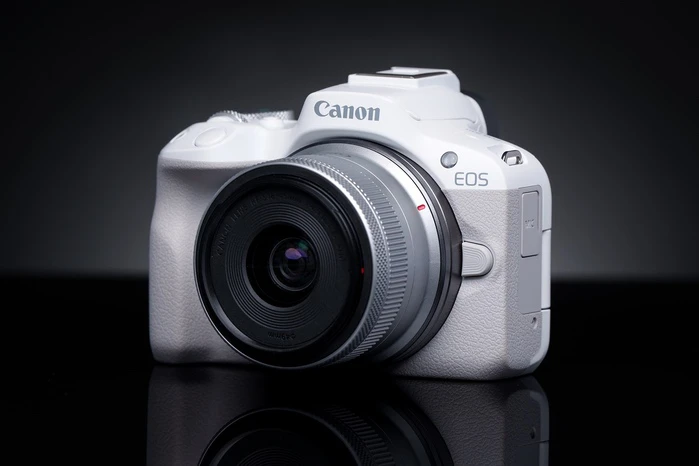
- Canon EOS R50 (Mirrorless) – Extremely lightweight, with Canon’s user-friendly interface and best-in-class subject-tracking autofocus. Great for both photo and video. A very accessible gateway into the Canon RF mirrorless system.
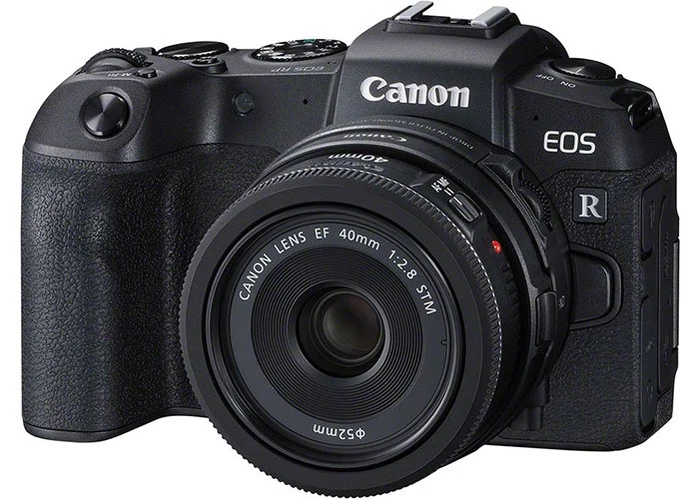
- Canon EOS RP (Mirrorless) – Perfect for beginners wanting to step into full frame on a budget. Offers great image quality and better low-light performance. But it has no IBIS, so it’s not good for video.
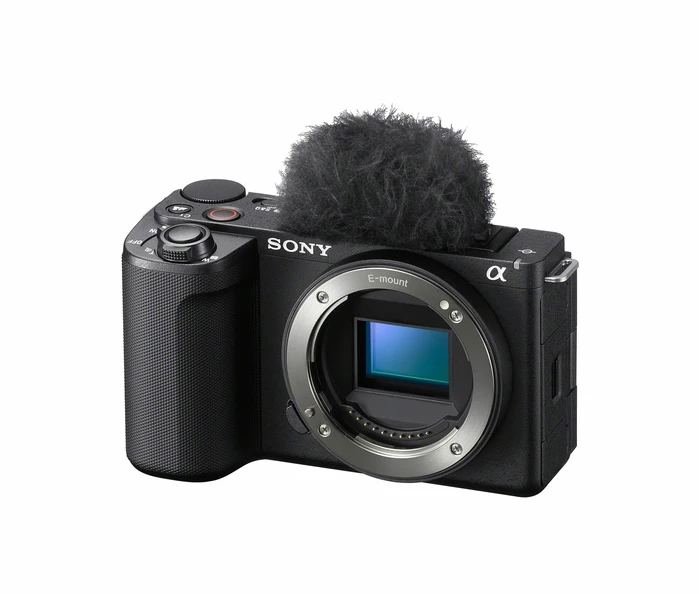
- Sony ZV-E10 (Mirrorless) – Built mostly for vlogging. It’s compact and offers a flip-out screen, superb autofocus with product showcase mode, and good audio features. An incredible value for video-first users.
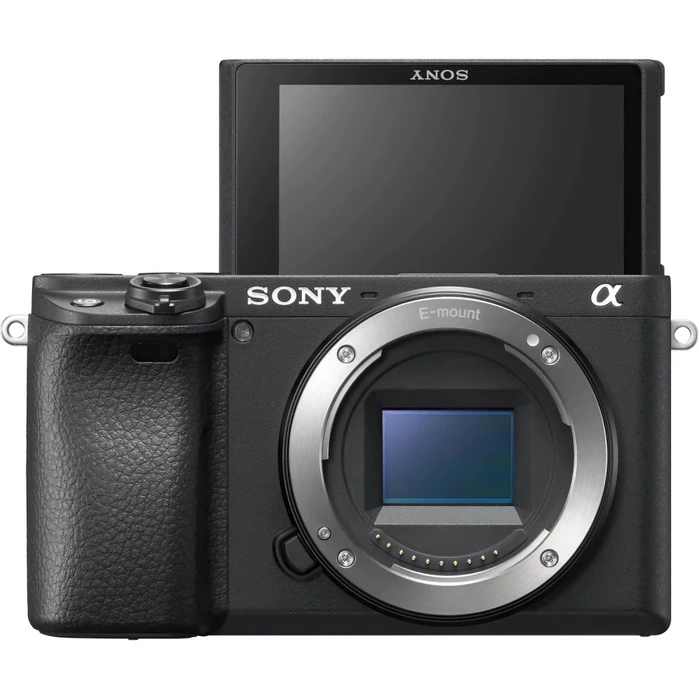
- Sony a6400 (Mirrorless) – A proven, affordable hybrid. It has Sony’s brilliant real-time eye-autofocus, 4K video, and a robust metal body. A no-nonsense tool that performs exceptionally well.
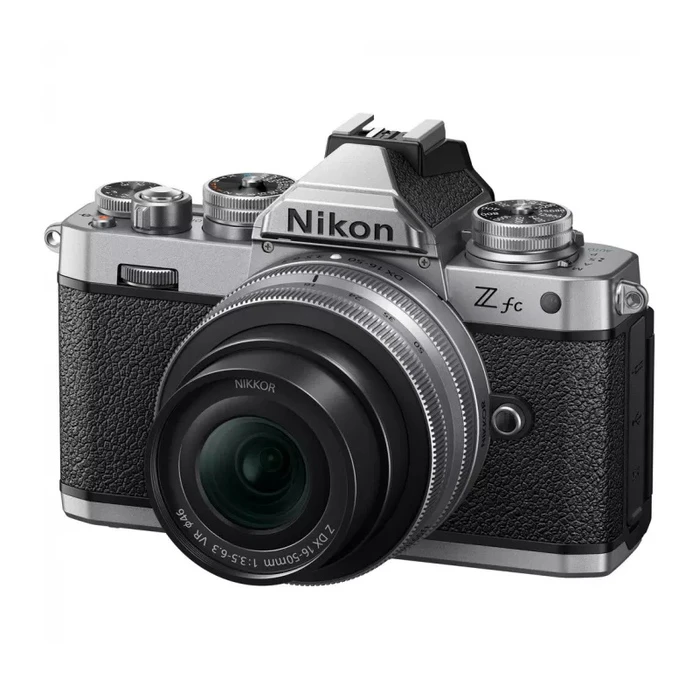
- Nikon Z fc (Mirrorless) – Combines the classic, beautiful design of Nikon film cameras with the latest Z-mirrorless tech. Encourages learning through manual dials and offers great image quality. Great for those who love retro-style cameras.
Mid- to High-End Cameras for Beginners
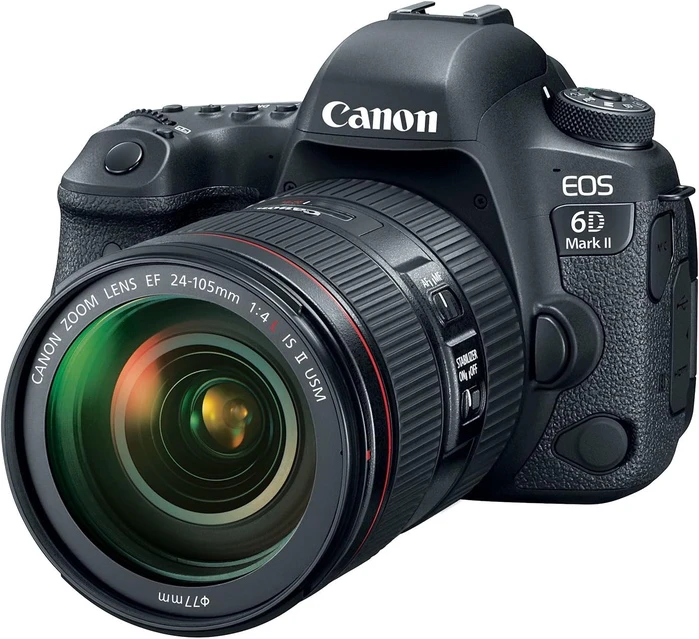
- Canon 6D Mark II (DSLR) – An excellent, durable full-frame option. Offers a great optical viewfinder experience, good image quality, and access to the vast, affordable EF lens ecosystem.
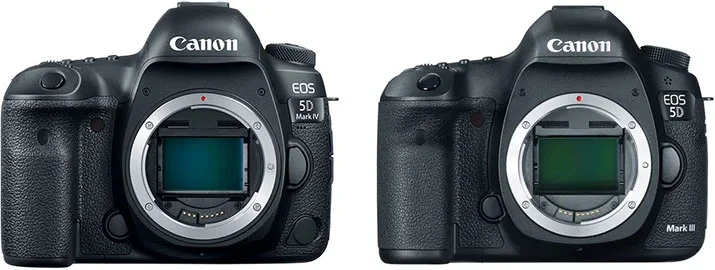
- Canon 5D Mark III & Mark IV (DSLR) – Built like tanks with superb ergonomics. You can find these for a fraction of their original price. Images from these sensors (22MP for III, 30MP for IV) are gorgeous, with beautiful Canon color science. But they aren’t good for videos. They are bulkier and lack modern features like eye-AF and IBIS.
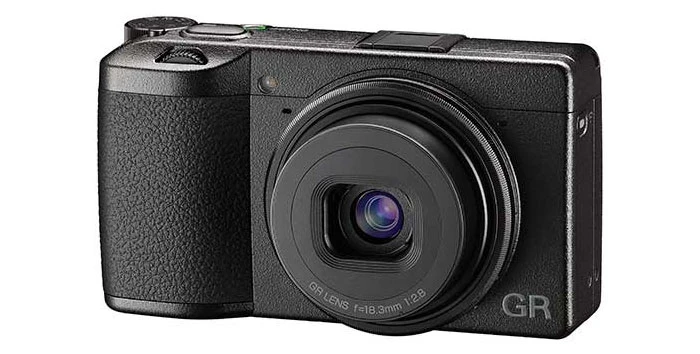
- Ricoh GR III (Mirrorless, Fixed-Lens) – This is a great camera for street photography. Fits in your pocket yet has a large APS-C sensor and a sharp lens. It’s discreet, lightning-fast to operate, and delivers image quality rivaling bulky ILCs.
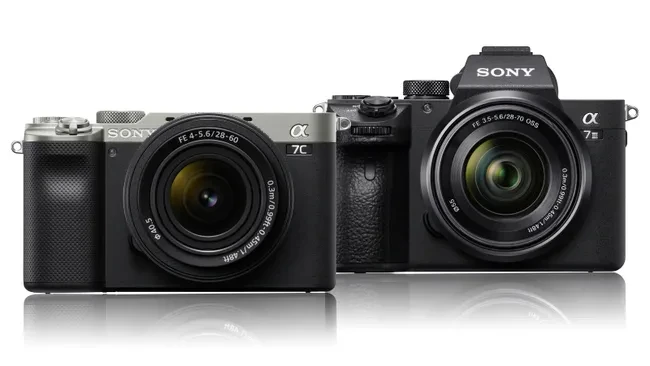
- Sony A7 III & A7C (Mirrorless) – The A7 III is known for its balance of photo and video performance. The A7C packs nearly identical internals into a much smaller body. Excellent low-light performance and dynamic range. Great battery life. But some beginners may find them complex.
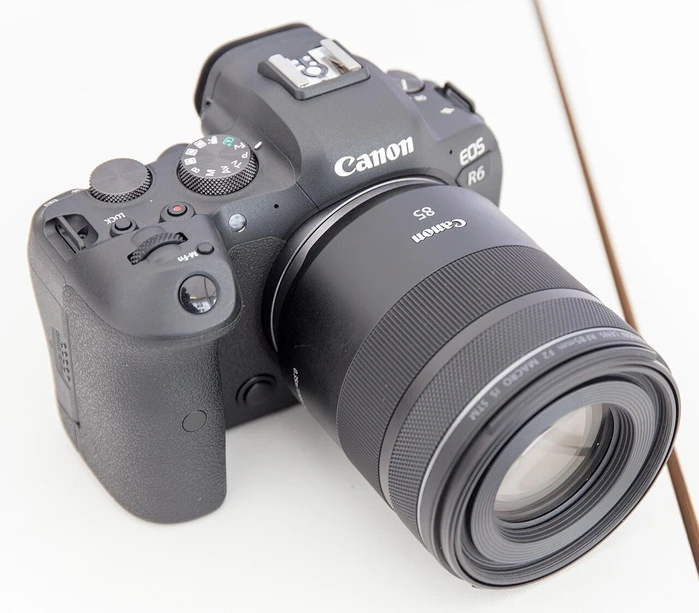
- Canon EOS R8 & R6 (Mirrorless) – They have user-friendly interfaces. But R6 is more advanced and expensive than R8. Canon’s Dual Pixel AF II is amazing. It locks onto eyes, faces, and subjects with reliability, making it much easier to achieve sharp photos. The R6 has IBIS, so it’s great for videos.
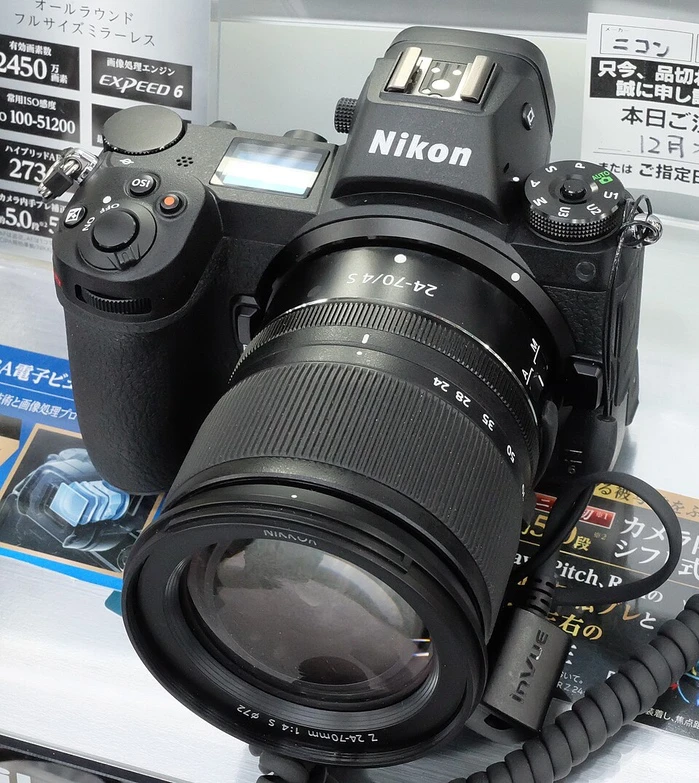
- Nikon Z6 (Mirrorless) – Excellent stills and video performance in a well-built body. The 24MP sensor is excellent in low light. The Z6 II adds dual processors for better buffer and autofocus. IBIS is included, a huge benefit for handheld shooting.
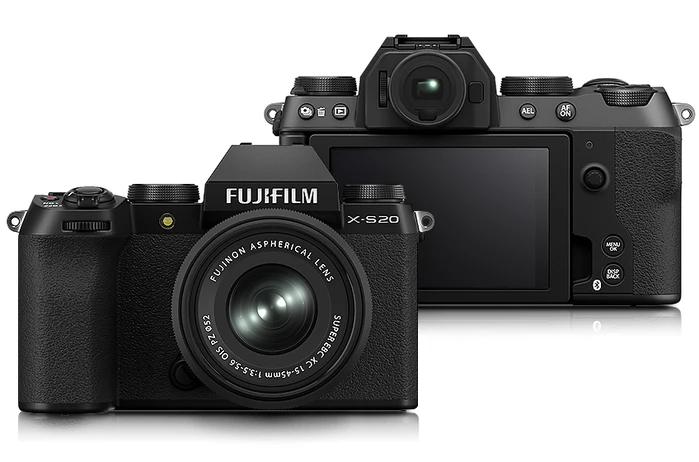
- Fujifilm X-S20 (Mirrorless) – Offers Fujifilm’s renowned film simulations (great JPEGs colors), strong 6.2K video, IBIS, and excellent autofocus. A powerful, fun, and versatile tool that grows with you.
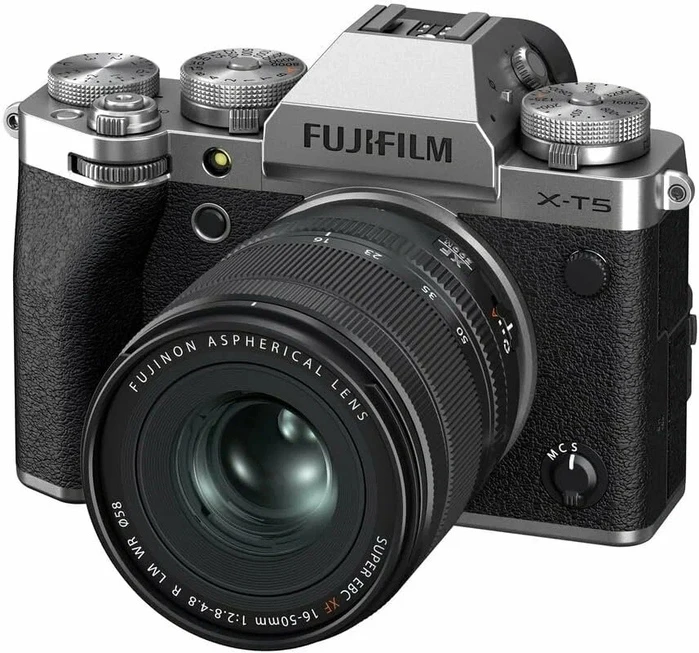
- Fujifilm X-T5 & X-T50 (Mirrorless) – The X-T5 and X-T50 offer dials for shutter speed, ISO, and exposure compensation, which is great for learning the fundamentals. While they house an APS-C sensor, their output consistently rivals that of larger-sensor cameras, delivering rich detail and dynamic range. They produce stunning color science straight out of camera.


Wrapping Up
When choosing your first camera, focus on the guidelines outlined here:
- Define your main purpose (photo, video, or both).
- Interchangeable-lens cameras offer room to grow.
- Used cameras are a great way to save money if you buy from reputable stores.
- Sensor size affects depth of field, low light, and file sizes.
- Your lenses matter more than your camera body.
But most importantly, remember that the best camera for beginners is the one you have with you, the one you understand well, and the one you use to explore your unique perspective. The more you shoot, the better you become. No matter what camera you start with.